
HDR vs Twilight Real Estate Photography: Which Does a Listing Need?
By PROMOREALTOR · Updated · 10 min read
HDR and twilight fix two different problems. HDR rescues a dark room with a bright window. Twilight makes an exterior look warm and expensive. Below: how each is shot, what each costs, when each pays off, and how to get a similar look from a photo you already have.
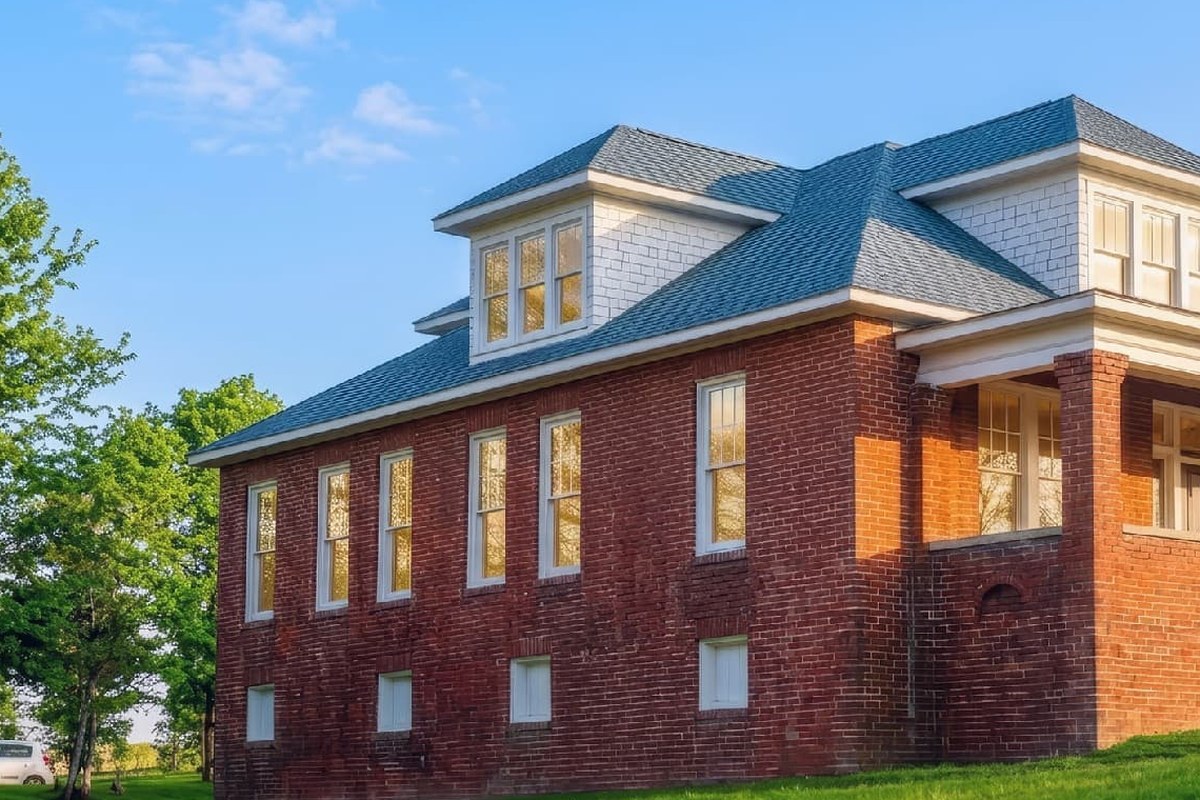 Before
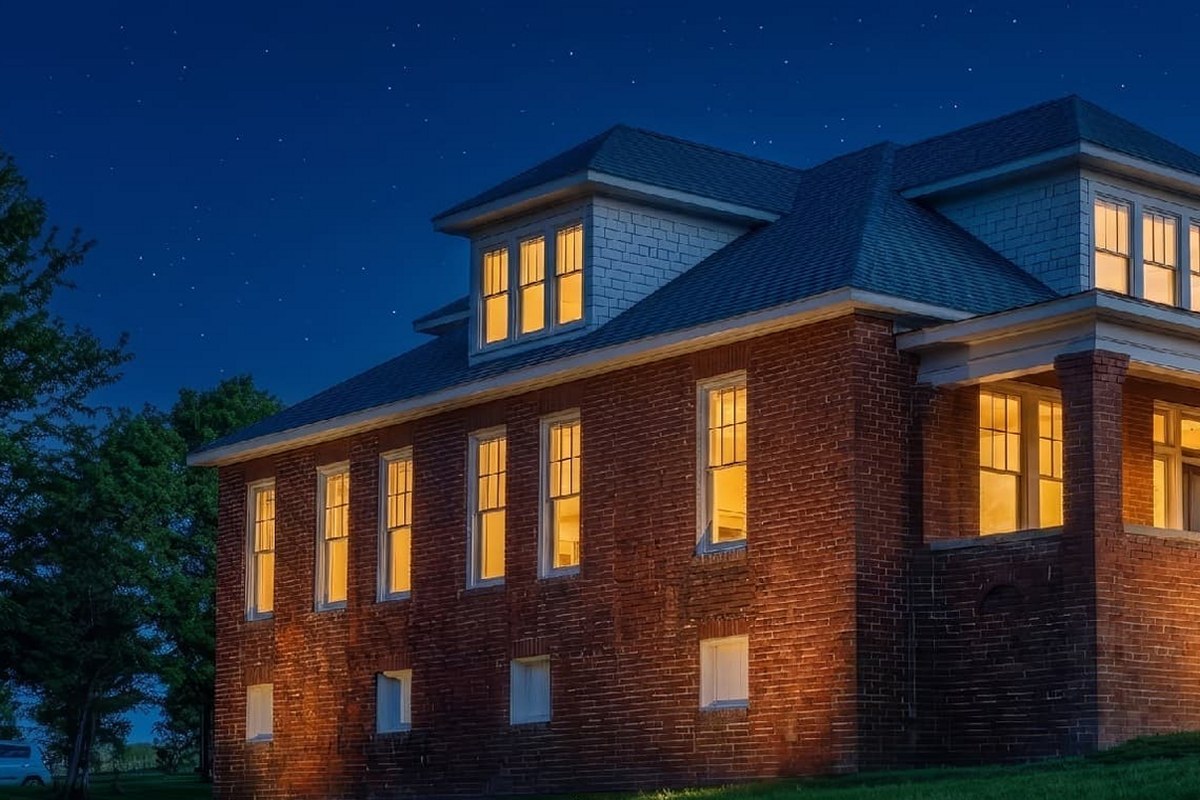 After
AfterWhat HDR real estate photography does
High dynamic range (HDR) photography combines several exposures of the same view. One frame is bright enough to show the room, another is dark enough to show what's outside the window, and software merges them. You get a room with a view out of the window instead of a white rectangle.
It's an interior fix. Done well, it looks natural. Done badly, it shows halos around rooflines and window frames, flat or over-saturated color and a crunchy texture. Those are the signs buyers and agents learn to spot.
How to shoot HDR properly
- Put the camera on a tripod so the frames line up.
- Take three to five exposures of each scene, bracketed from dark to bright.
- Keep the lights on and balance them. Mixed color temperatures cause color casts.
- Merge with software, then correct verticals and white balance.
- Check windows and edges at 100% for halos.
AI merge tools now handle the merge and the cleanup. AutoHDR lists $0.53 a photo on a $265 a month plan and $0.45 on its enterprise plan, with a free tier of 10 photos a month 2. Pixflows, a human service, lists HDR editing from $1.20 an image with 24-hour turnaround 1.
What a twilight shoot needs
A twilight photo is taken in the short window around and after sunset, when the sky is deep blue and the interior lights are on. A lit house on a blue sky looks warm and expensive, which is why it's used for hero images on higher-value listings.
How to shoot twilight properly
- Pick a clear or lightly clouded evening. Heavy cloud flattens the sky.
- Turn on every interior and exterior light before you start.
- Use a tripod. Exposures are long.
- Start shooting as the sky begins to darken and keep going. The best frame is often a few minutes into the window.
- Keep the shot list short: the front, one or two angles, the garden or pool if there is one.
Because the timing is so narrow, twilight is booked separately. Snappr lists drone and twilight photography as separate services from its listing shoot 5.
Virtual twilight: the look from a daytime photo
If a second visit isn't worth it, an AI tool can turn a daytime exterior into a dusk or night version. The prices we read sit close together.
| Service | Price we read | Type |
|---|---|---|
| Fotello | $1 per twilight 3 | AI, pay as you go |
| Pixflows | Day to dusk from $3 an image 1 | Human editors |
| BoxBrownie | Day to dusk €5 4 | Human editors |
| PROMOREALTOR | 1 credit (€1) a photo with Change Time; 4 credits for a day-to-twilight video clip | AI, pay as you go |
Prices read on 2026-10-09.
Look at our example. The tool turned a sunny brick house into a night shot with a starry sky and every window lit. The house is as photographed. It's a deep-night look, not a pale blue-hour dusk, so run it again if you want something softer.
Where virtual twilight goes wrong
- Shadows. A hard-sun photo has strong daytime shadows. If they survive into a night image, the edit looks fake. Start from a photo shot in soft light.
- Windows. Lit windows should look like rooms, not flat yellow squares. Check that they're consistent.
- Garden and ground. Grass should darken along with everything else.
- The sky. It should be dark where the house is lit, and not cut off at the roof line.
For motion, the Day to Twilight video template fades daylight into evening, 4 credits a clip. See virtual twilight for the tools.
Typical starting settings
Settings depend on the camera and the room, but photographers often start in the same place. Treat these as starting points, not rules.
- Interior HDR: a tripod, the lowest ISO, a mid aperture for sharpness across the room, and a bracket of three to five exposures spaced evenly so the darkest frame holds the window view.
- Twilight exterior: a tripod, the lowest ISO, a mid aperture and exposures long enough to hold the glowing windows without losing the sky. Use a remote or a timer to avoid shake.
- Both: shoot raw if your camera allows, and keep white balance consistent across the set.
If that's more than you want to learn, that's the argument for fixing a single photo afterwards instead of mastering the capture.
Real twilight or virtual: the cost logic
A real twilight shoot costs a photographer's time at an awkward hour, and it's sold as an extra to the listing shoot 5. A virtual twilight costs between about $1 and €5 for the same exterior 34. The gap isn't only price. A real twilight captures the house's actual glow and a natural sky. A virtual one generates both.
A practical rule: book a real twilight for a flagship exterior or a house with a feature that glows, like a pool or a glass wall. Use virtual twilight for the rest, on the single best exterior of the listing.
How to judge a twilight image
- The sky. It should shade from deep blue at the top to a lighter band at the horizon, not sit as one flat color.
- The windows. Warm light, with some variation between rooms.
- The ground. Grass, paving and cars should be darker too.
- The shadows. No hard daylight shadows under a night sky.
- The house. Rooflines, walls and details match the original.
Which listings get a twilight
Not all of them. A twilight image works on a good-looking exterior with lights you can switch on and a clear view of the front. It does little for a flat in a block with a shared entrance. Spend the credit on the photo a buyer sees first, the cover photo, and not on every exterior angle.
Which does your listing need?
| Problem | Fix | Notes |
|---|---|---|
| Dark interior, bright windows | HDR, or relighting in editing | Interior technique |
| Grey day, flat exterior | Sky replacement and relight | One-click fixes |
| Flagship exterior that must stand out | A real twilight shoot, or virtual twilight if a second visit isn't worth it | Sold separately by most photographers |
| Many listings, little budget | Virtual twilight on the best exterior only | About $1 to €5 a photo |
Getting the HDR look from one photo
If you only have a single photo, a relight can rescue a dark room. Relight Interior balances a room against a blown-out window in one press. It's a lighting fix, not a merge, so it won't match perfectly bracketed HDR, but it's often enough for a listing.
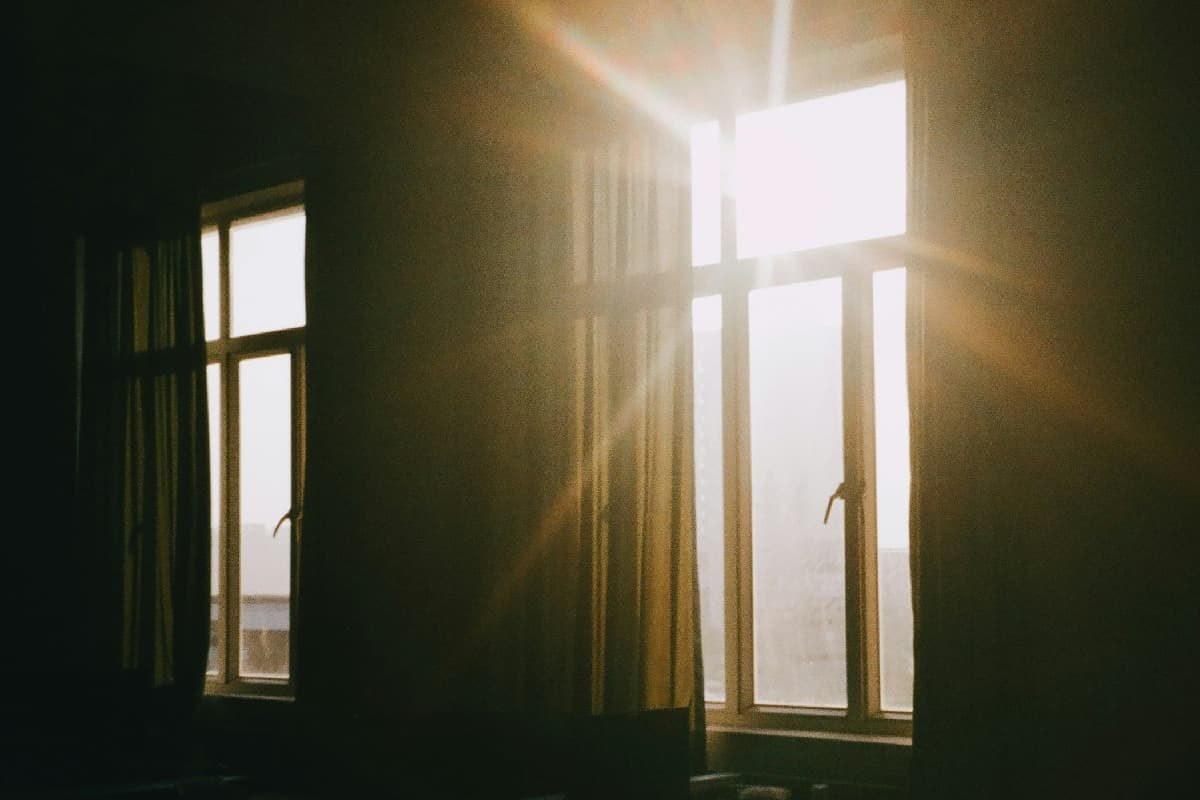 Before
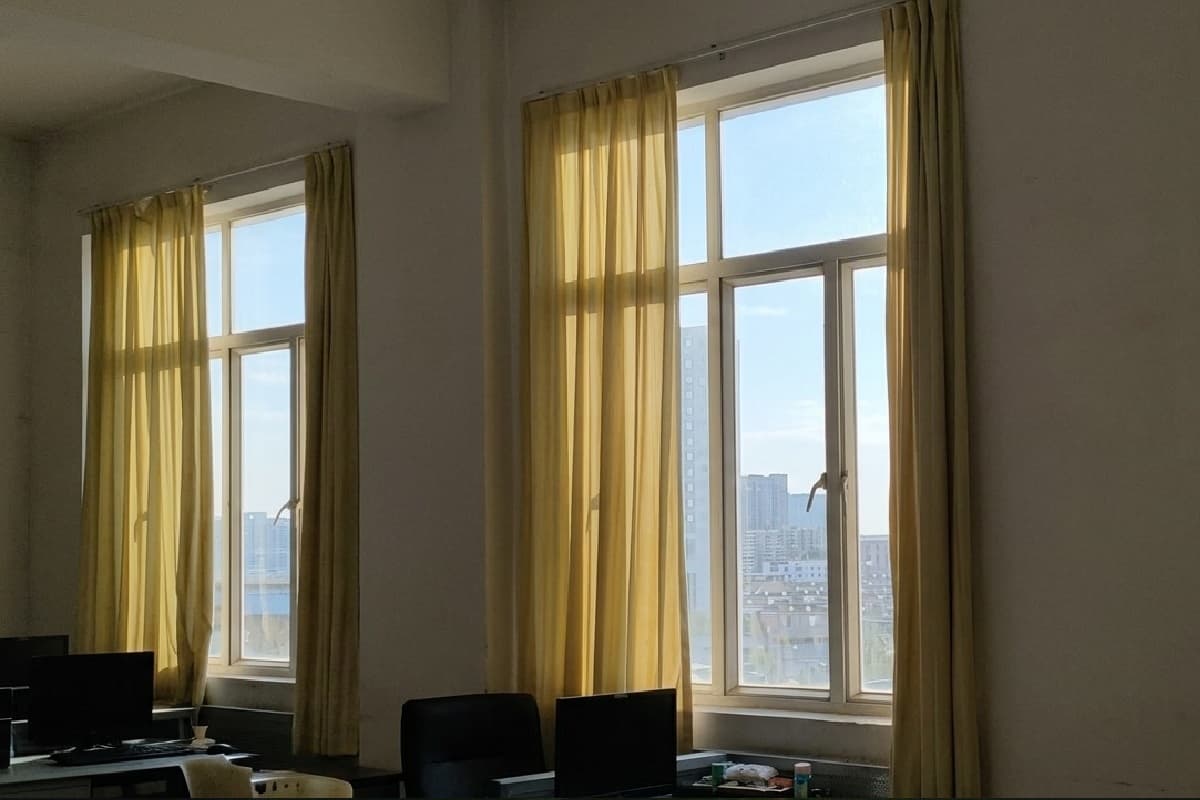 After
AfterDisclosure
HDR merging and standard light correction are normal edits. CRMLS and ARMLS both treat brightness, color and exposure adjustments as not altered, as long as they don't change how the property is represented 67. A virtual twilight changes the sky and the lighting of the whole scene. Neither page we read covers it, so the safe choice is to disclose it in the description. The disclosure guide has the routine.
Frequently asked questions
Is HDR the same as twilight photography?
No. HDR merges several exposures, mostly for interiors. Twilight is a dusk shot of an exterior with the lights on.
How much does a virtual twilight cost?
About $1 to €5 a photo on the pages we read: $1 at Fotello 3, $3 at Pixflows 1, €5 at BoxBrownie 4 and 1 credit (€1) at PROMOREALTOR.
Do I need to disclose a virtual twilight?
The CRMLS and ARMLS pages we read don't cover it. It changes sky and light, so disclose it to be safe.
When is the best time for twilight photos?
In the short window around and after sunset, when the sky is deep blue and the interior lights are on. Start as the sky begins to darken and keep shooting. The best frame is often a few minutes in.
Can any daytime photo become a twilight?
Many can, but photos taken in soft light work best. Hard sun leaves strong daytime shadows that look wrong under a night sky, so check the shadows after the edit.
How much does a twilight video cost?
In PROMOREALTOR the Day to Twilight video template is 4 credits (€4) a clip. A twilight photo with Change Time is 1 credit (€1).
Is HDR the same as a flambient shot?
No. Flambient combines flash and ambient exposures. HDR combines ambient exposures only. Both aim to keep the window view and the room.
Sources and how we checked
Prices and rules were read on the pages linked below on 2026-10-09. Vendors change prices often and some pages localise by country, so confirm on the vendor's page before you buy. Several price comparisons online are written by vendors; we use vendor pages for vendor prices and say when a figure comes from a vendor's own blog. This guide is information, not legal advice.
- Pixflows: Real estate HDR editing service Prices shown in $.
- AutoHDR: Pricing Prices shown in $, currency not named.
- Fotello: Pricing Currency not named.
- BoxBrownie: Pricing The page we read showed euros and may localise by country.
- Snappr: Real estate photography pricing A booking platform; its prices are its own list prices.
- CRMLS: Digitally Altered Image Guidance and FAQs (California AB 723 and CRMLS Rule 11.5.2) California Regional MLS knowledge base.
- ARMLS: Virtually Staged Photos (Disclosure of Digitally Altered Images, from 28 May 2026) Arizona Regional MLS.
Keep going
Twilight
Turn a daytime exterior into a dusk or night shot with lit windows, or make a day-to-twilight video. €1 a photo, 4 credits a clip.
Photo editing
Replace the sky, fix perspective, relight, declutter and enhance listing photos in about 30 seconds. €1 a photo, no subscription, no editor to learn.
Photo editing services compared
Human editors, AI HDR tools and one-click generative fixes compared on 2026 prices: cost per photo, what you get, and which fits one listing or high volume.
AI photo disclosure rules
California AB 723, CRMLS and ARMLS rules for AI-edited and virtually staged listing photos: what counts as altered, what to label, and how to keep originals.